

Why Early Childhood Education Programs Matter
When you think about your child’s future, you want the best start possible. You want them to grow up confident, curious, and ready to take on the world. That’s why child development programs are so important. They lay the foundation for everything your child will learn and experience later in life. I’ve seen firsthand how these programs can make a difference, and I want to share what I’ve learned with you.
The Importance of Child Development Programs for Your Little One
Child development programs are designed to support your child’s growth in many ways. They don’t just teach letters and numbers. They help children develop social skills, emotional intelligence, and physical coordination. These programs create a safe space where kids can explore, ask questions, and learn at their own pace.
For example, when children play together in a structured environment, they learn how to share, take turns, and solve problems. These are skills that will help them in school and beyond. Plus, early learning experiences can boost brain development during the critical first years of life.
If you want your child to thrive, enrolling them in a quality child development program is a smart choice. It’s an investment in their future success.

How Child Development Programs Prepare Kids for School and Life
One of the biggest benefits of child development programs is how they prepare children for school. Kids who attend these programs often find it easier to adjust to the classroom setting. They are more confident, better at following instructions, and more curious about learning.
These programs also focus on developing language skills. Children learn new words, practice speaking clearly, and listen carefully. This helps them communicate better with teachers and classmates.
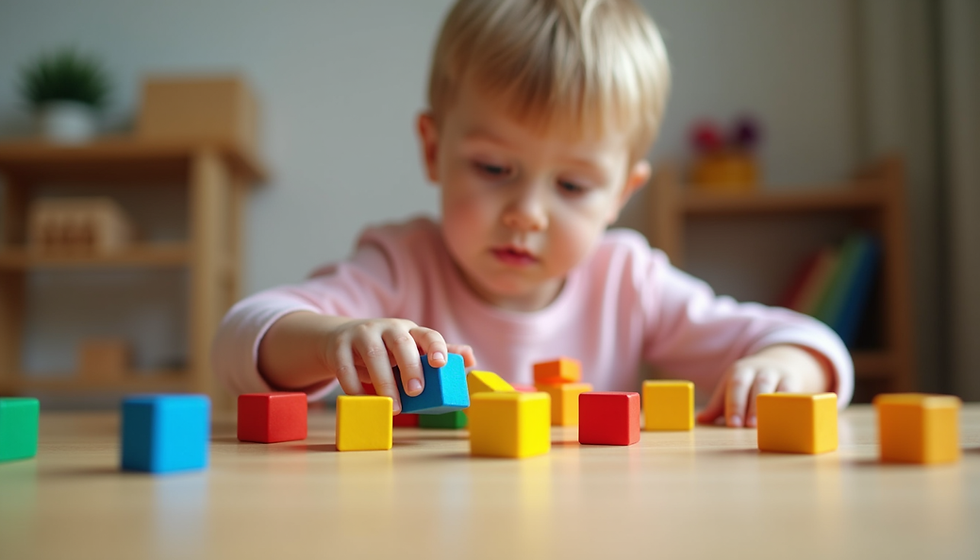
Physical development is another key area. Activities like drawing, building blocks, and outdoor play improve fine and gross motor skills. These skills are essential for writing, sports, and everyday tasks.
By the time your child starts kindergarten, they will have a strong foundation. They will be ready to learn, make friends, and enjoy school.
What are the early childhood education programs?
Early childhood education programs come in many forms. They can be Montessori schools, preschools, daycare centers, or specialized learning programs. Each type has its own approach, but all aim to support your child’s growth and development.
Montessori programs, for example, focus on hands-on learning and independence. Children choose activities that interest them and learn through discovery. This method encourages creativity and self-motivation.
Other programs might emphasize play-based learning, where children learn through games and social interaction. Some focus on language immersion or STEM (science, technology, engineering, and math) skills.
When choosing a program, consider your child’s personality and needs. Look for a place that feels welcoming and safe. Ask about the teachers’ qualifications and the curriculum. A good program will communicate with you regularly and involve you in your child’s progress.
If you want to explore options, check out early childhood education programs that offer a nurturing environment and a proven approach to learning.

Practical Tips for Choosing the Right Program for Your Child
Finding the right child development program can feel overwhelming. Here are some tips to help you make the best choice:
Visit the facility - See the classrooms, outdoor spaces, and meet the staff. Notice how children interact and how teachers engage with them.
Ask about the curriculum - What subjects and skills are covered? How do they support social and emotional growth?
Check teacher qualifications - Experienced and trained teachers make a big difference in your child’s experience.
Consider the schedule and location - Make sure it fits your family’s routine and is easy to get to.
Look for parent involvement - Programs that encourage family participation often have better communication and support.
Read reviews and ask other parents - Hearing from families who have been there can give you valuable insights.
Remember, the best program is one where your child feels happy, safe, and excited to learn.
How You Can Support Your Child’s Learning at Home
Child development programs do a lot, but your role at home is just as important. You can reinforce what your child learns and create a rich learning environment.
Read together daily - Books open up new worlds and build language skills.
Encourage play - Play is how children learn best. Provide toys that inspire creativity and problem-solving.
Talk and listen - Have conversations with your child about their day, feelings, and ideas.
Set routines - Consistent meal times, naps, and bedtime help children feel secure.
Explore nature - Outdoor time boosts physical health and curiosity.
Celebrate achievements - Praise effort and progress to build confidence.
By working with your child’s program and staying involved, you help create a strong partnership that benefits your child’s growth.
Looking Ahead: The Long-Term Benefits of Early Learning
Investing in child development programs is about more than just the present. It’s about setting your child up for a lifetime of success. Research shows that children who attend quality early learning programs are more likely to graduate from high school, attend college, and have stable careers.
They also tend to have better social skills and emotional health. These advantages can lead to happier, more fulfilling lives.
When you choose a program like Little Scholars Montessori Academy, you’re choosing a path that nurtures your child’s potential. You’re giving them the tools to become confident learners and caring individuals.
Your child’s journey starts now. With the right support, they can reach amazing heights.
I hope this guide helps you understand why child development programs matter so much. If you want to learn more about quality options in your area, consider visiting early childhood education programs that focus on nurturing every child’s unique abilities. Your child deserves the best start, and you can make that happen.


Comments